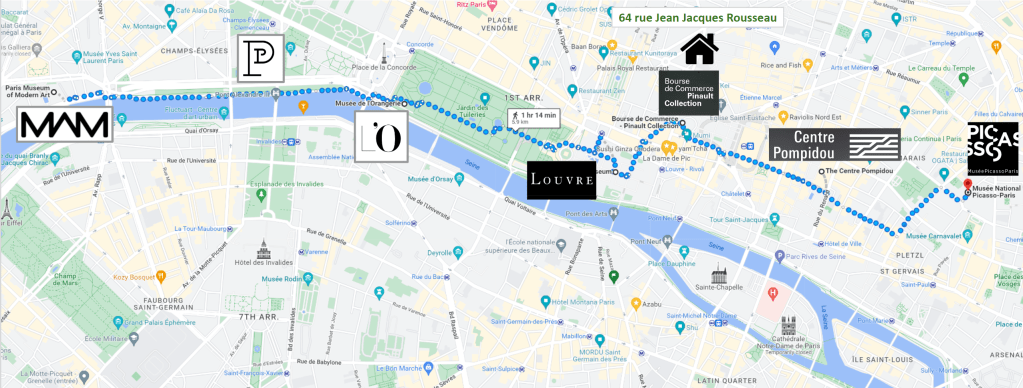
This is an East-West itinerary along the Seine’s right bank seven most famous Museums. A 90mn walk crossing over 3000 years of art and painting history. As you can see, your Paris home is right in the middle, meaning you can start this hike into art history either way.
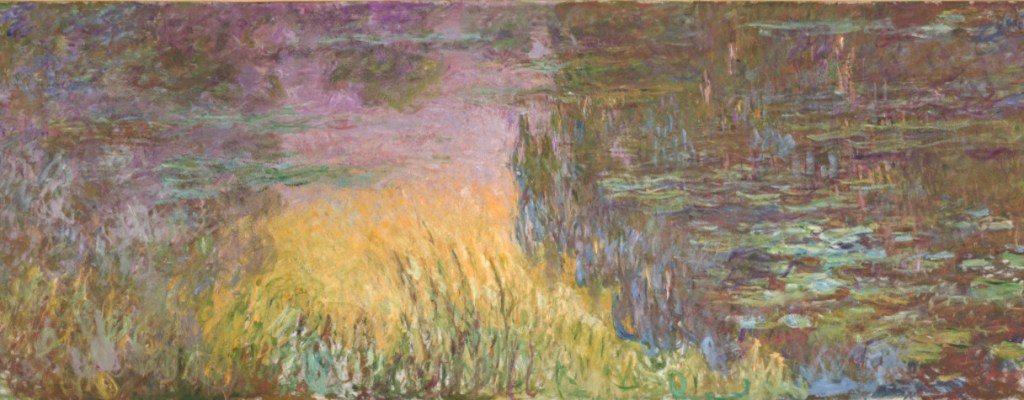
Musée de l’Orangerie
Of course there is Monet’s Water Lilies, “The Sixtine chapel of Impressionism“, according the surrealist painter André Masson. But so much more from Cezanne, Matisse, Derain, and many others, all representing the famous School of Paris. Yet it is a small collection, and a perfect start for Ze Museum walk. English guided tours are organized regularly.
Louvre Museum
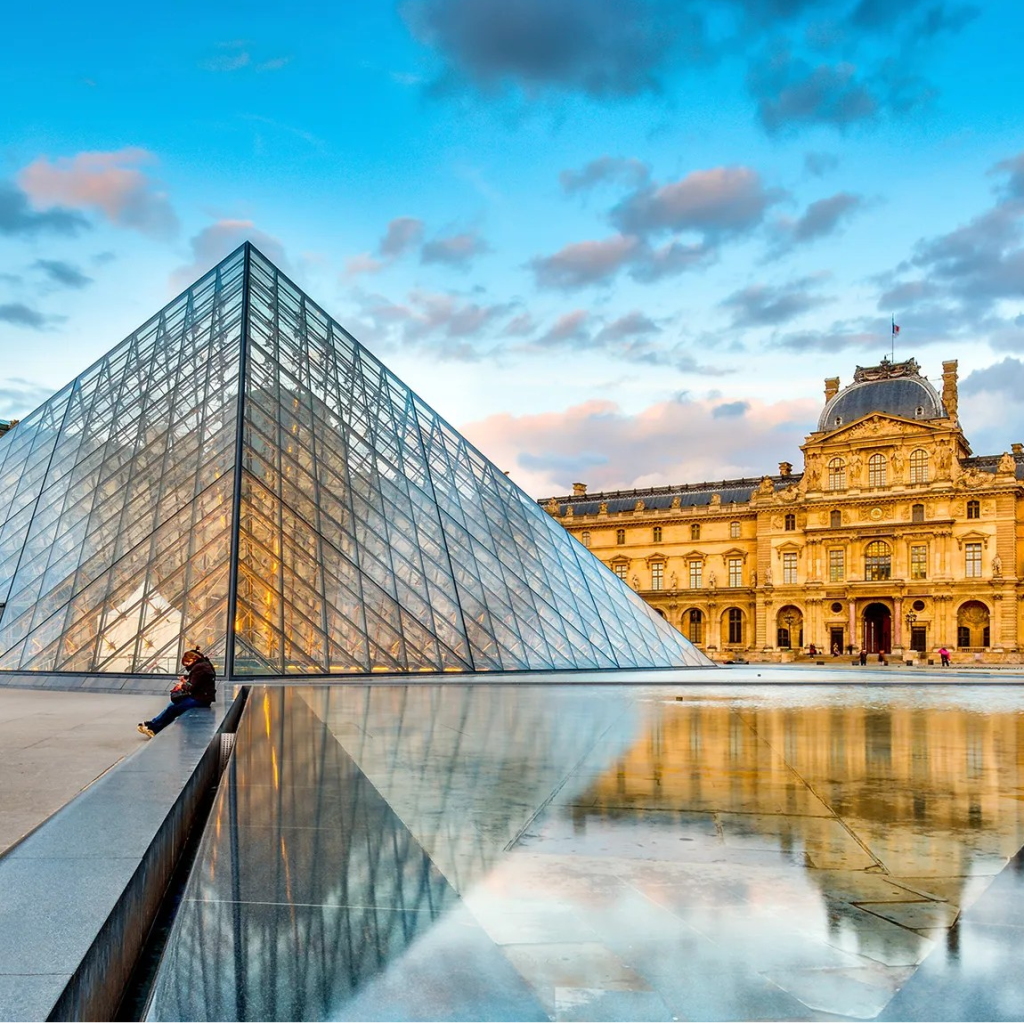
With over 10M visitors per year, this one really don’t need any introduction. Maybe just a few useful comments and tips.
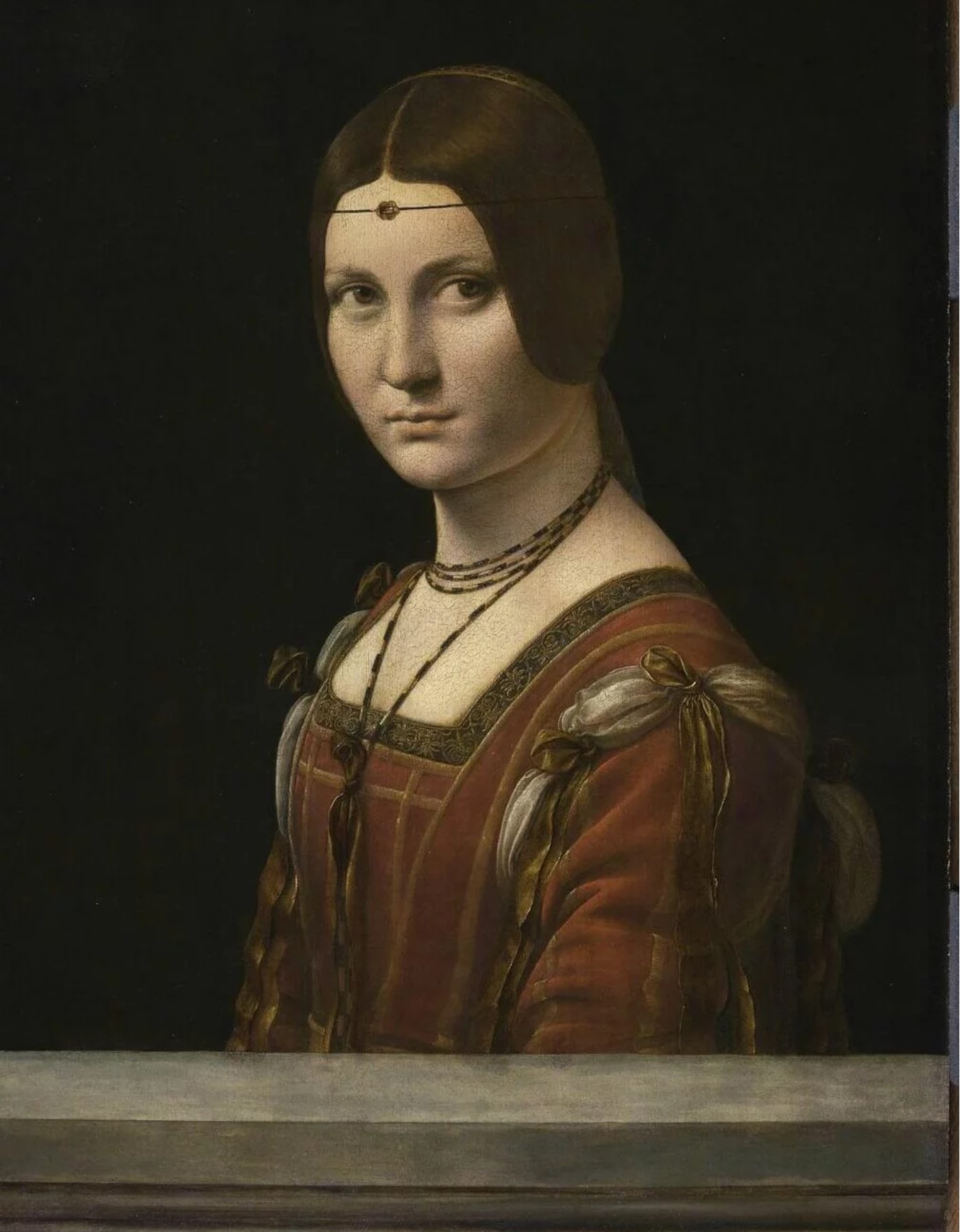
- There is more from da Vinci than the Mona Lisa (which can be really over crowded). Meet the Belle Ferronière, or the Virgin of the Rocks (one of two, the other being at the London’s National Gallery).
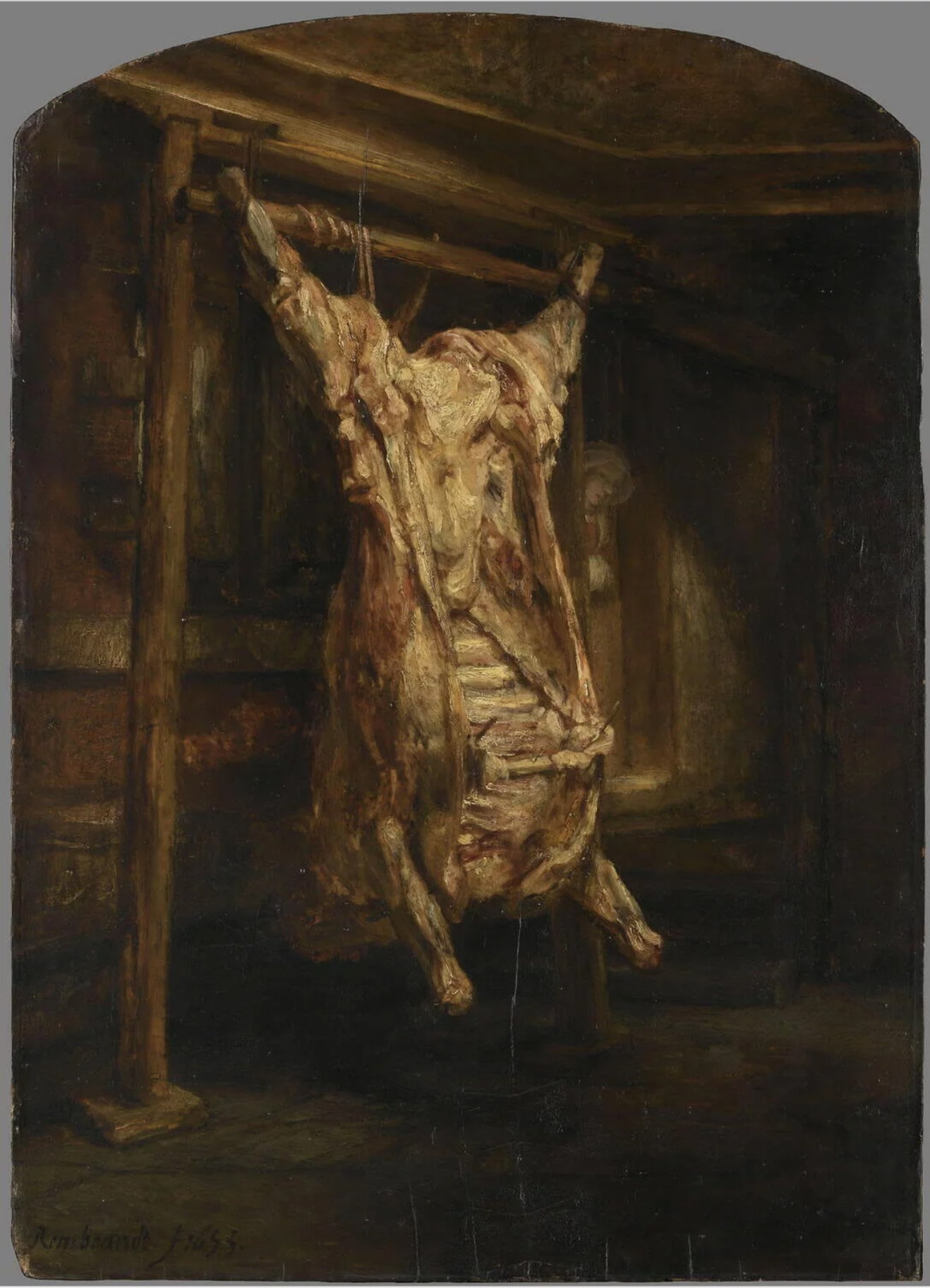
- Rembrandt’s Slaughtered Ox. A real mystery surrounds this gruesome painting. Did Rembrandt symbolized a feast organized for the return of his son? or is it a representation of the Christ? Or merely the classic memento mori, making us remember people how we are temporary on earth? Painter Van Gogh came up with another interpretation: it would be the symbolic representation of Saint Luke, patron of painters, whose symbol was an ox, Luke being also the patron saint of butchers.
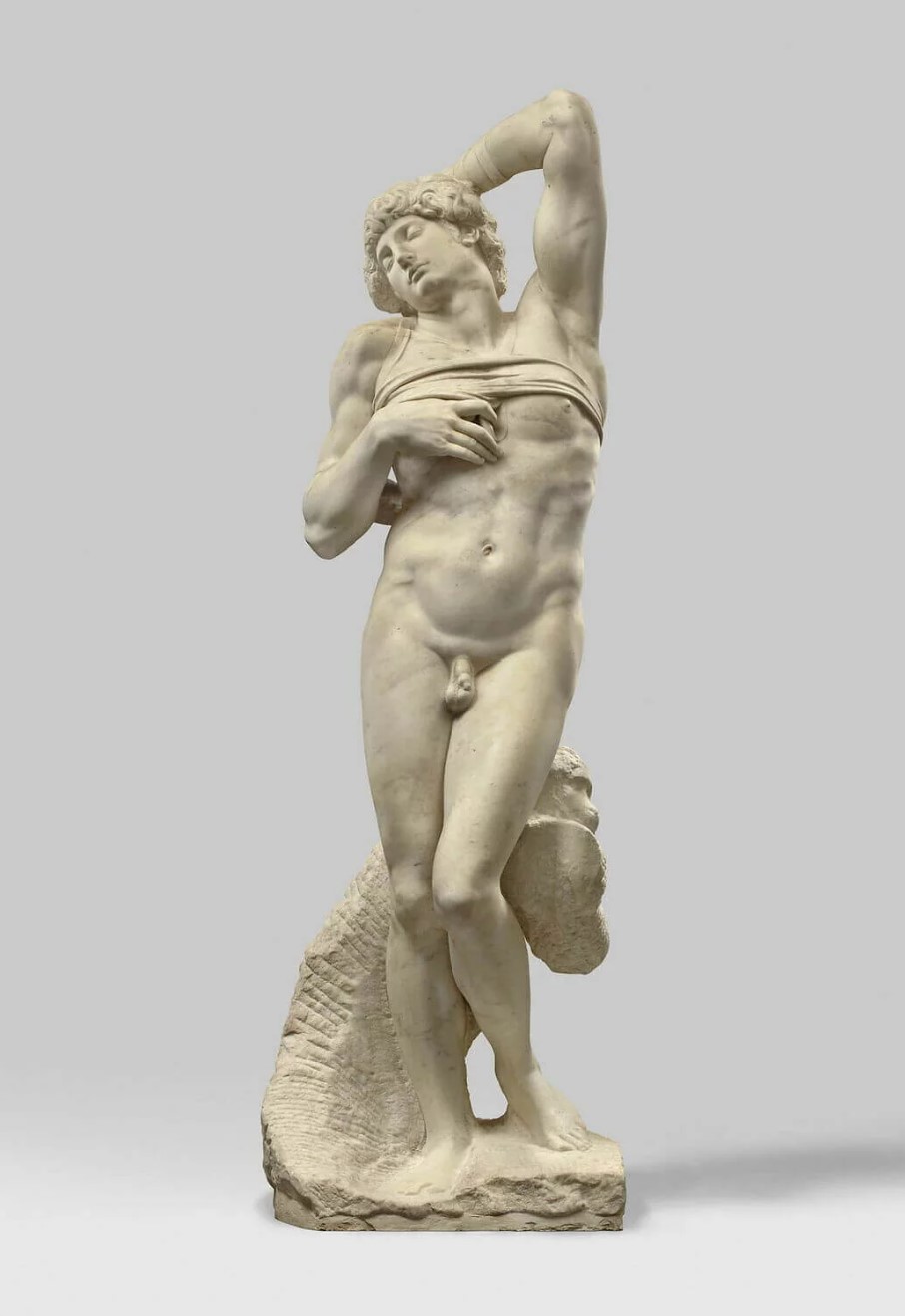
- Michelangelo’s Dying Slave. Initially commissioned for Pope Julius II’s grave in St Peter, in 1505, the Pope changed his mind along the way. Michelangelo resumed his work on the project after the Pope’s death in 1513, and gifted the statues. The Dying Slave is one of them, with a glimpse of the moment when the soul leaves the body. A truly magnificent work. Next to it there is also the Rebellious Slave, sculped at the same time.
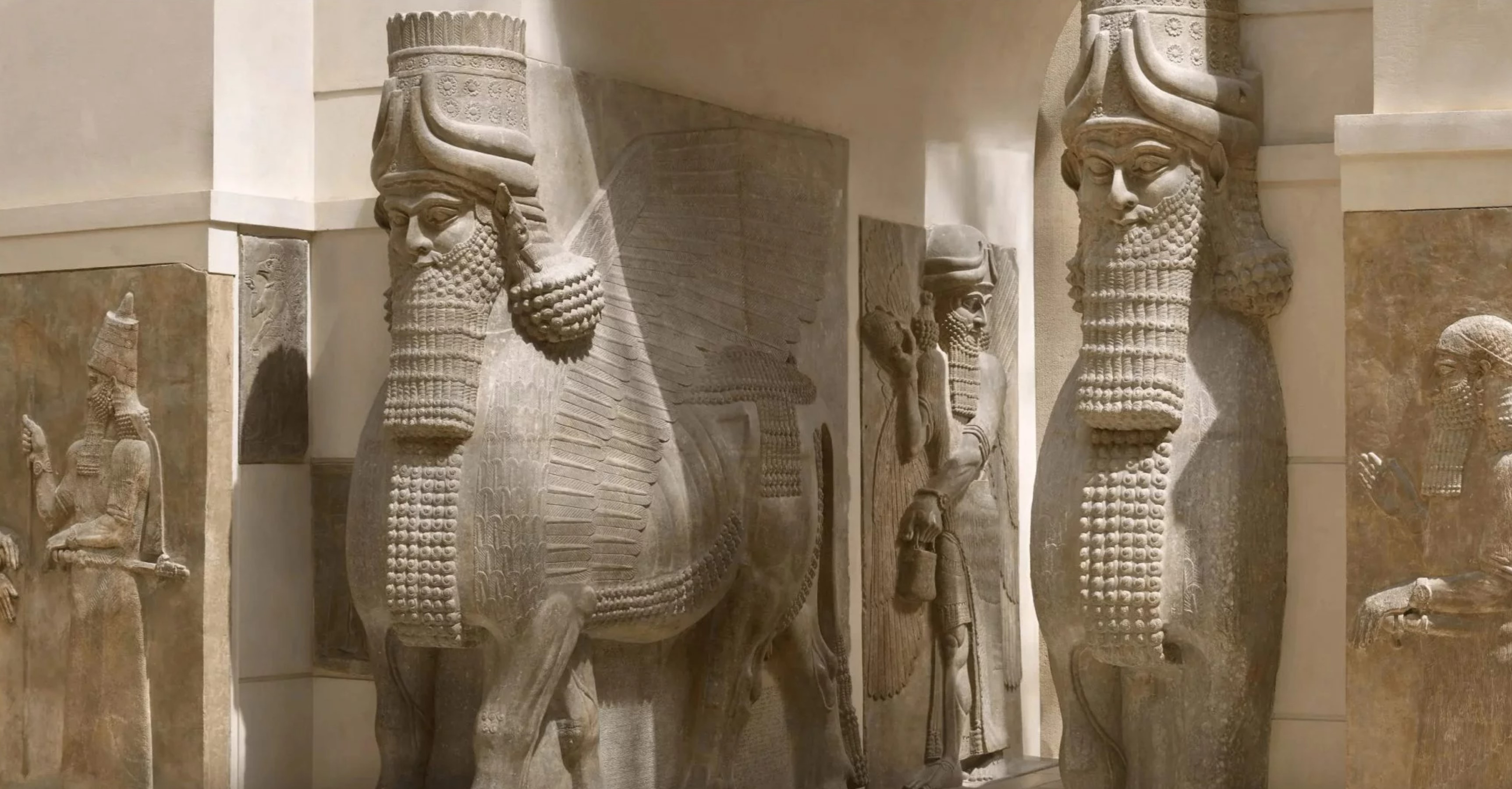
- Palace of Sargon II in Dur-Sharrukin. This King ruled the Assyrian Empire in the 8th century BC. He initiated the construction of a new capital city (“Dur-Sharrukin”, aka The Fortress of Sargon), but dies before it was finished. His son didn’t carry on the project, and reestablished the capital city in its original Ninive. Dur-Sharrukin was burried and forgotten until 1843 when French archeologist, Paul-Émile Botta, found it. The wall sculptures represent archery, processions and other activities performed at the time, with incredible details.
- Napoleon III’s Apartments. Before becoming the famous Museum it is now, the Louvre has been a Palace, and one wing of the Museum was preserved to show Napoleon III’s apartments.
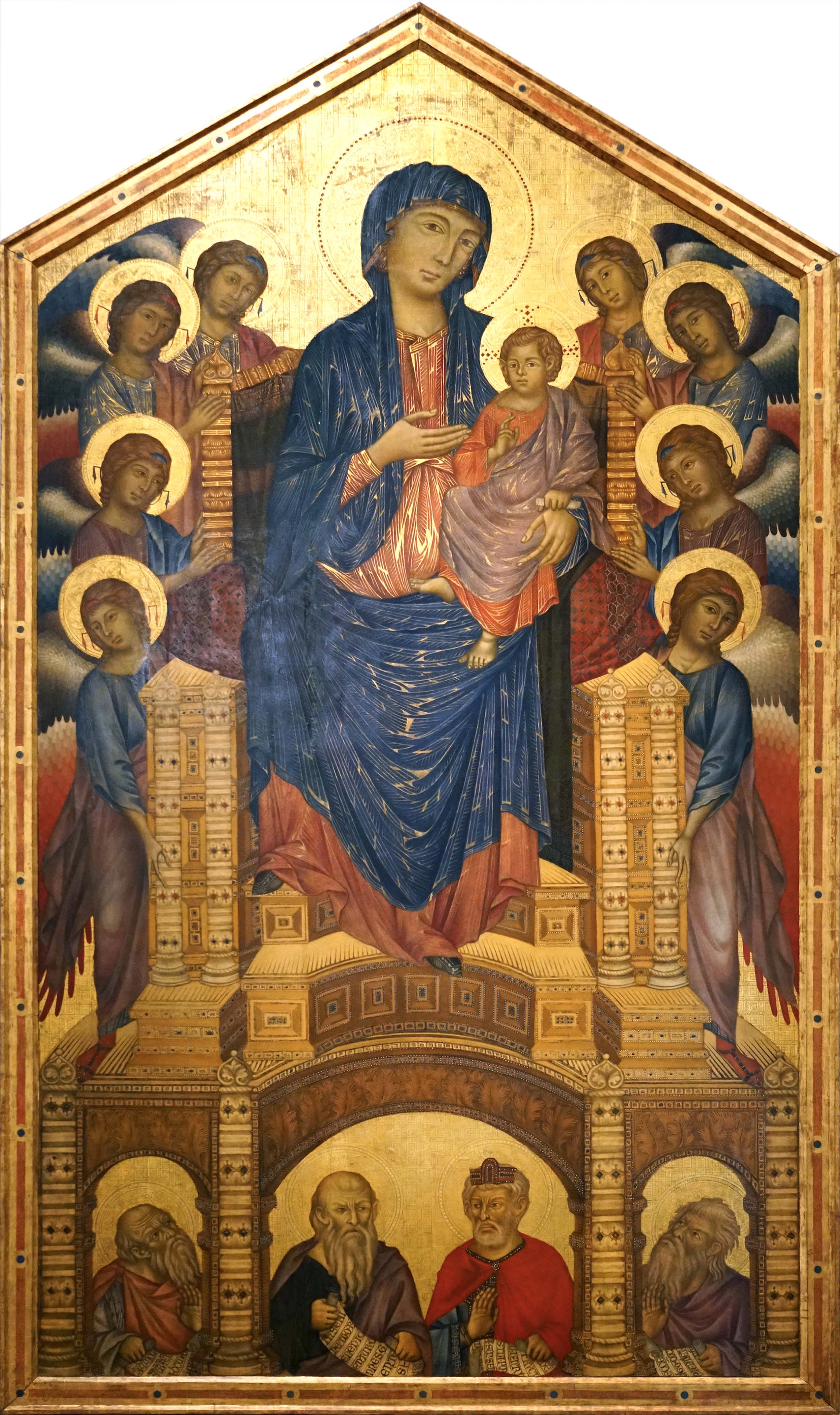
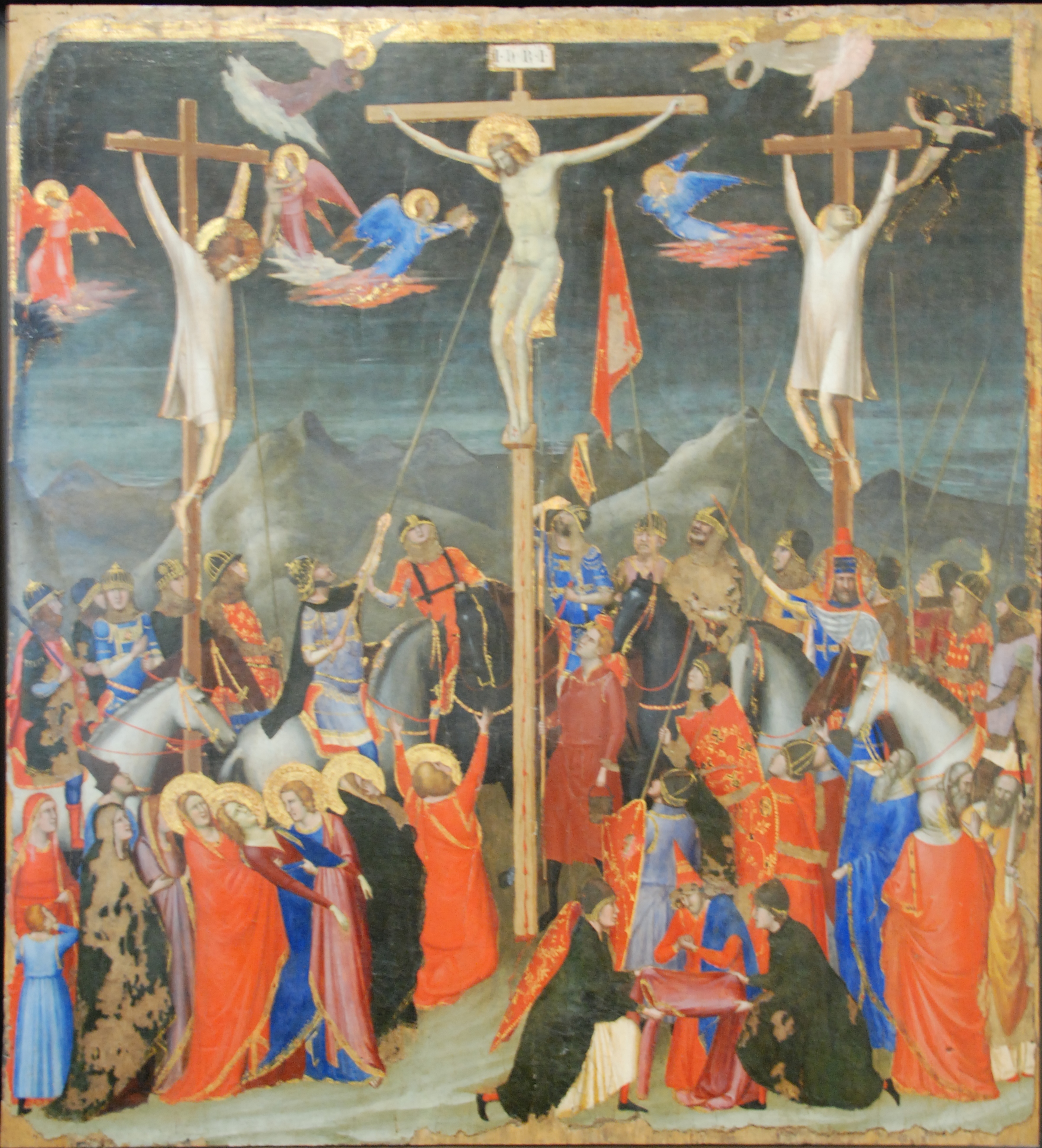
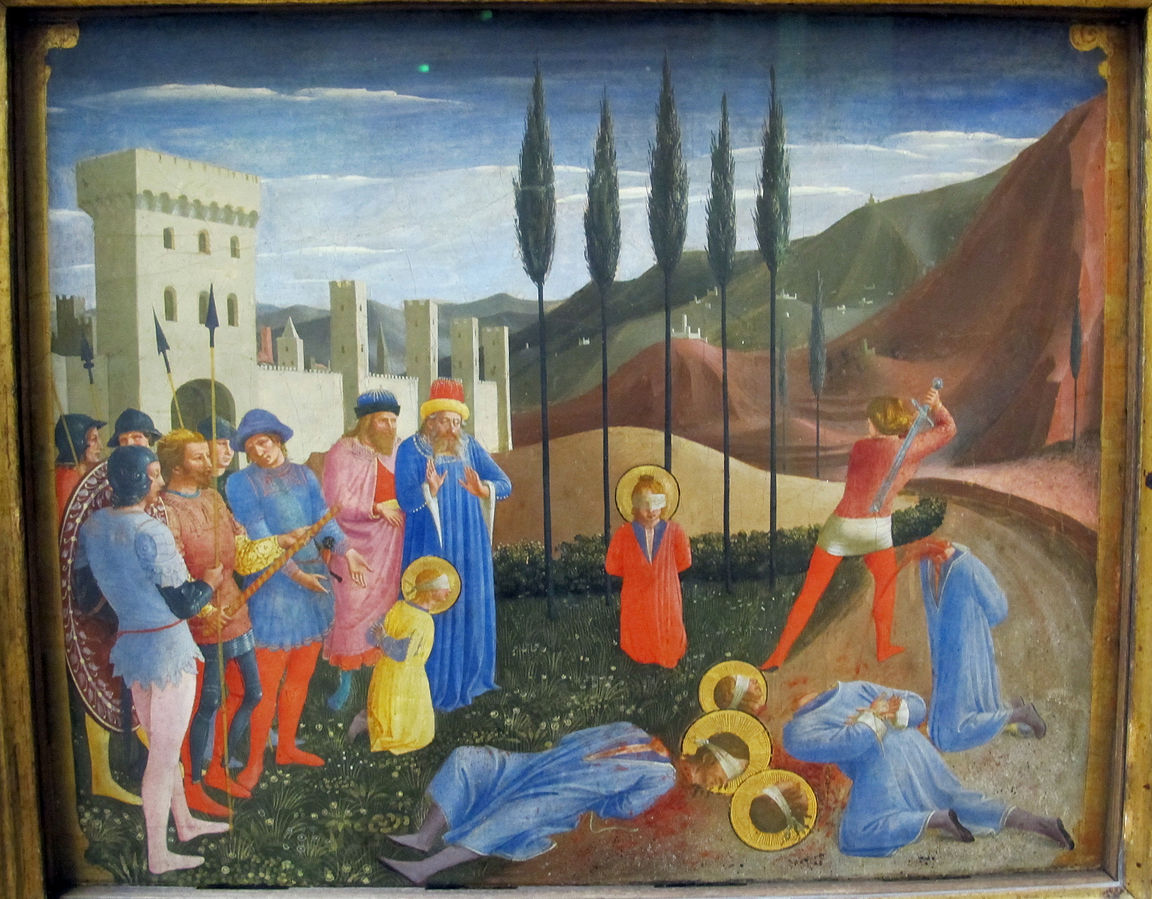
- Italian primitives. This transition between the middle-ages and the renaissance is illustration by Cimabue’s Virgin in Majesty, where one can see movement and expression, and also depth of field. Giotto initiated a revolution by bringing landscape and expression into the human and animal representation soon to be followed by Masaccio, Fra Angelico, Fra Filippo Lippi, Paolo Ucello, Verrochio, all represented into the early Italian painting wing. A glimpse of The Ufizzi, if you will.
- Friday night visit. The Museum is opened until 21h45 on Fridays, and you can enjoy most of it’s masterpieces without the usual crowd.

Bourse du Commerce Pinault Collection
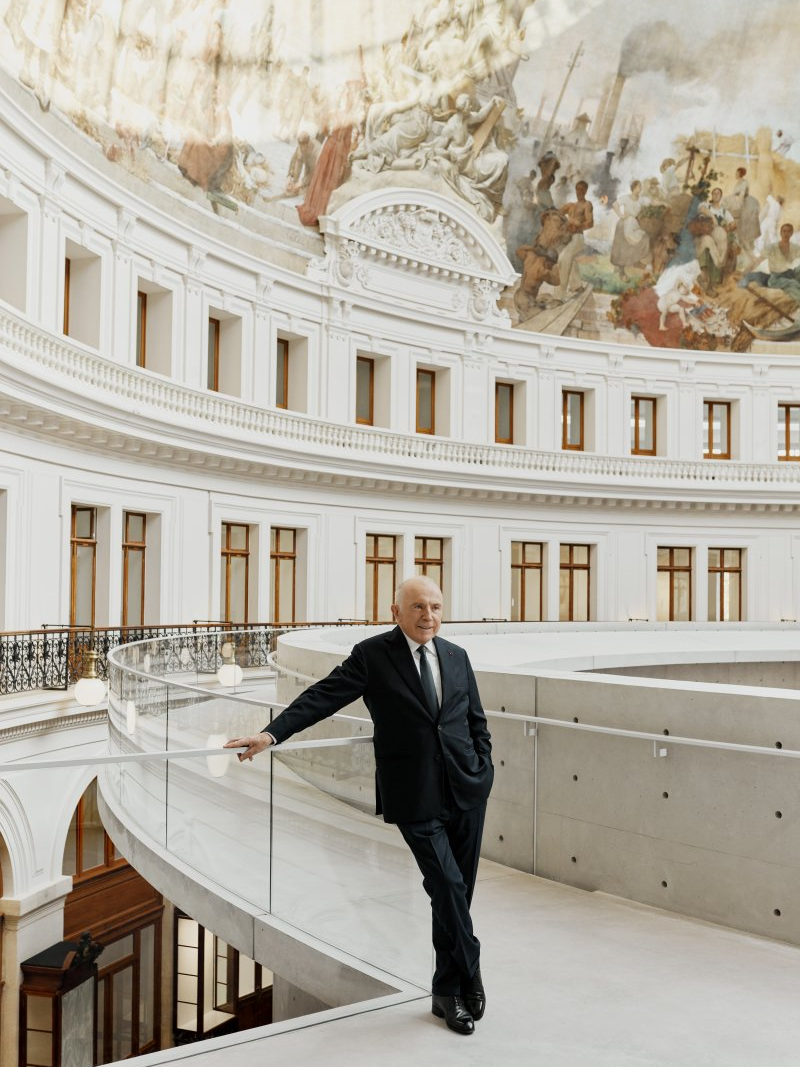
This is the most recent addition to Paris already crowded Museum scene. French tycoon François Pinault added the Bourse du Commerce to his existing museums Punta de la Dogana and Palazzo Grazi, both in Venezia. The renovation was conducted by architect Tadao Ando, in his signature minimalism way, and this is a reason enough to get into the building, whatever your feelings about contemporary art.
Paris Modern Art Museum
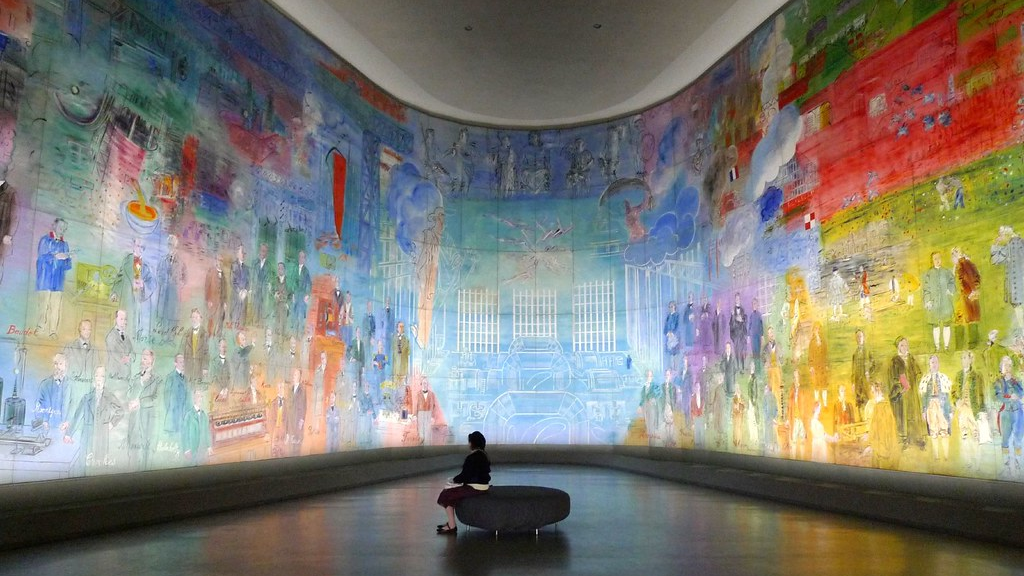
Some skip this one, as it is slightly off the beaten tracks. Big mistake. The collection is very rich, spanning from the 19th to the 20th century. Plus you get to see Raoul Dufy’s unique Fée Electricité, commissioned for the 1937 Paris International Exhibition.
Centre Pompidou
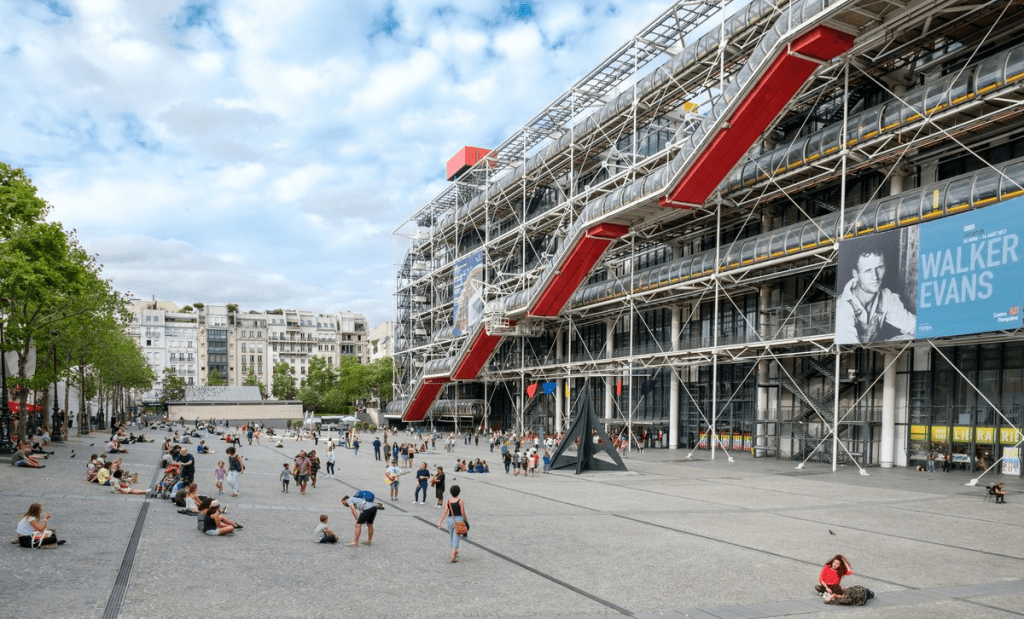
Like Le Louvre Museum, the Centre Pompidou hardly needs any introduction, with its 3 to 4M visitors annually. Many 20th century masterpieces are exhibited in the permanent collection, one of the world’s most impressive, and the Centre is also hosting temporary exhibitions.
The building’s architecture is also of interest. It was commissioned by President Georges Pompidou, and conceived by architects Renzo Piano, Richard Rogers and Gianfranco Franchini. It was inaugurated in 1977 with the idea of openness and flexibility. It has been an immediate popular success with the Parisians, despite lost of critics about its architecture.
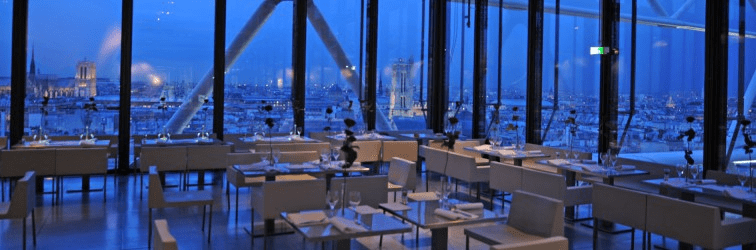
And while you are there, don’t miss the top floor Georges café/bar/restaurant. One could think the restaurant is slightly over hyped (and over priced), but the view over Paris is worth it, be it a simple coffee, a soda, a Champagne glass or a full meal.
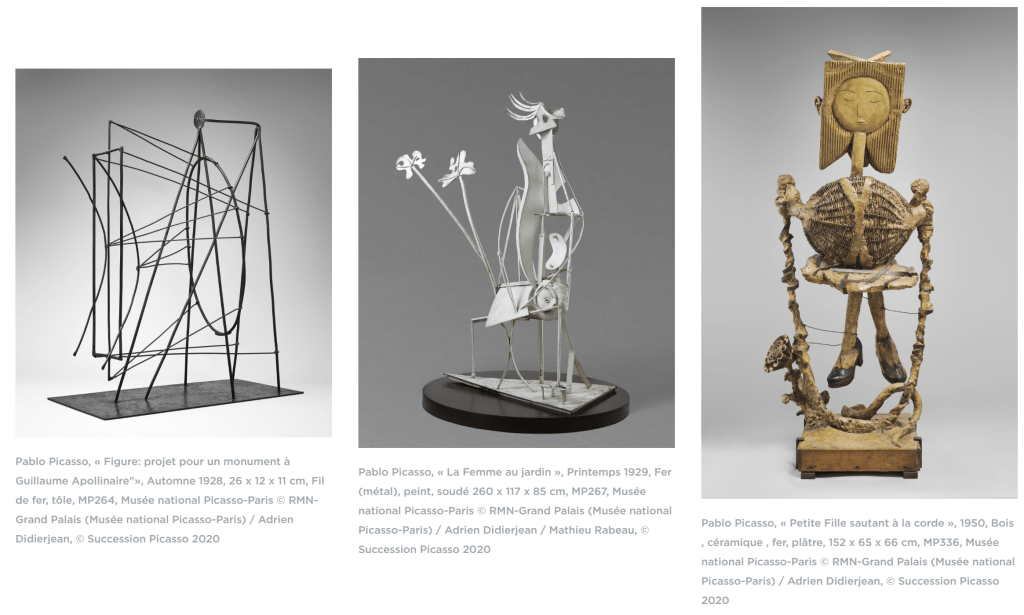
Musée Picasso
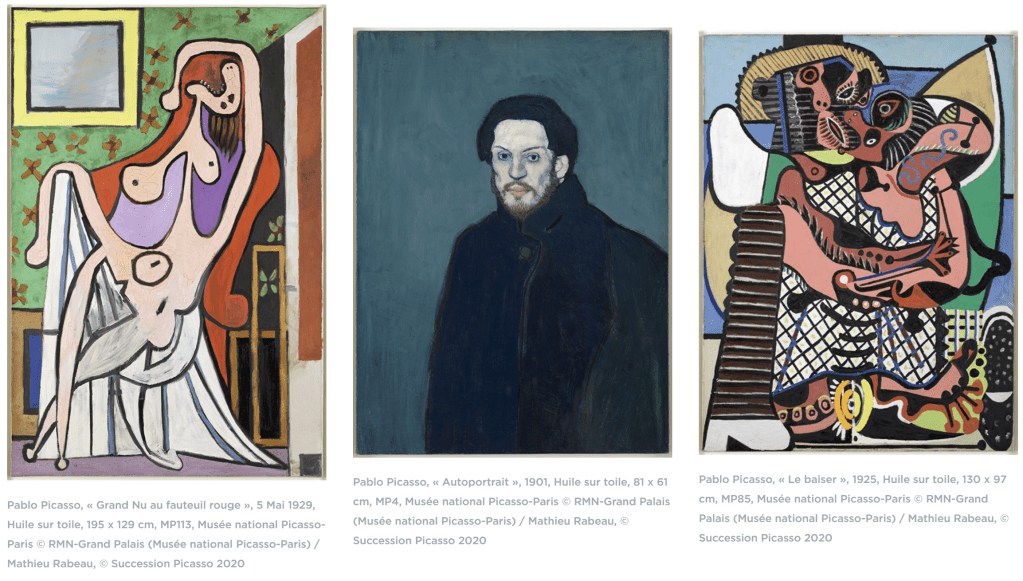
“The world’s richest public collection on Picasso”, claims the Museum. Definitely a must if you love the artist.
Petit Palais
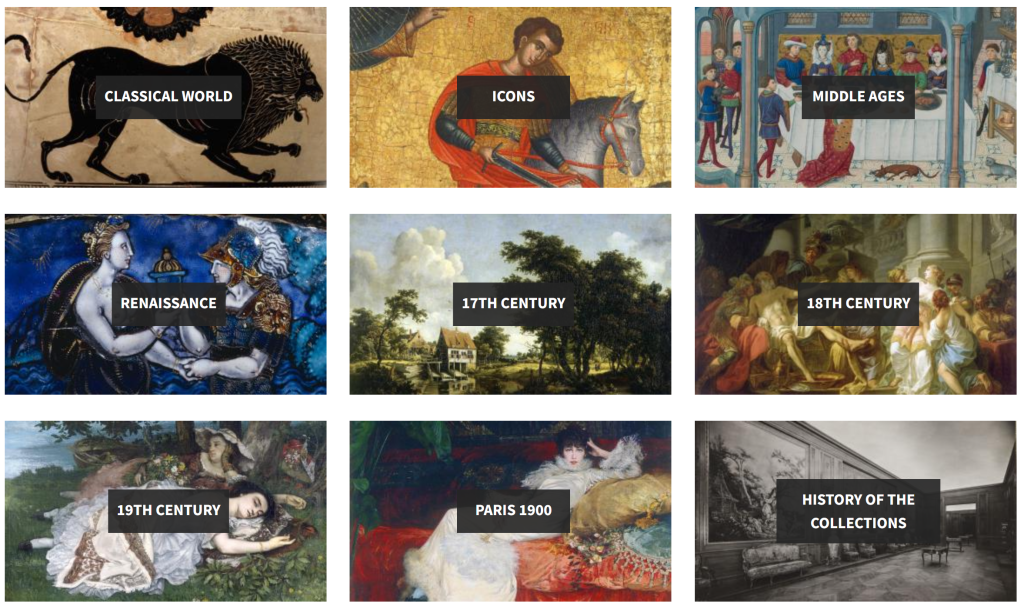
The Petit Palais is the Classic collection painting Museum of the city of Paris. It complements the Paris Museum of Modern Art. It is also well known for temporary exhibitions, check the program on their website.
 Rue Jean Jacques Rousseau